
Miki Sawada '09 is a nomad, often spending a month or more on the road. But wherever she goes, she is never far from a piano. During three weeks in August and September 2017, Sawada crisscrossed the largest U.S. state, playing classical music at cafes, libraries, bars, parks and schools on her Gather Hear Alaska tour. Supported in part by the Alaska Humanities Forum and an Anchorage piano dealer, she covered more than 2,000 miles in a rented U-Haul and played 25 shows in 15 towns, focusing mostly on rural communities. “It was like being surrounded by family,” says Sawada, a professional pianist. “It felt casual, in a way, but also with a very sharp attention. You could feel the energy of everyone really listening to every single note I was playing. … I felt I was giving some of my best performances.” She first conceived of the idea after the 2016 presidential election, when she started questioning her role in the world as a classical musician. Sawada, who lives in Brooklyn, N.Y., realized classical music, when taken outside of the confines of concert halls, could be used to help people connect with each other. She plans to tour all 50 states in a pursuit to understand, document and contribute to American life through classical music. She will resume her tour in West Virginia on a New Music USA prize this fall and plans to return to Alaska next summer.
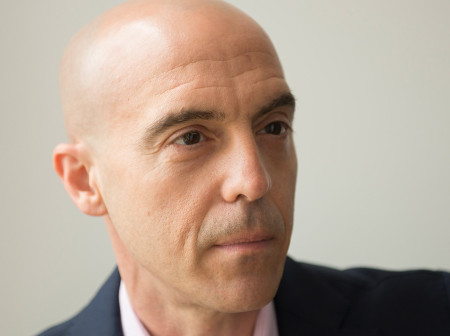
Chatting with ... Sinan Aral
Scientist, entrepreneur and investor Sinan Aral discusses how he became interested in social media research, outlines some of his most important findings and reflects on the Northwestern professors who impacted him most.


Reader Responses
No one has commented on this page yet.
Submit a Response