Features
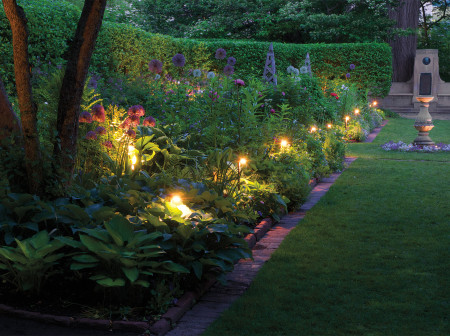
The Shakespeare Garden, one of Northwestern’s cherished hidden gems, is home to various trees, shrubs, flowers and herbs that were mentioned in Shakespeare’s writings, were common during his lifetime or are modern cultivars of those older plants.
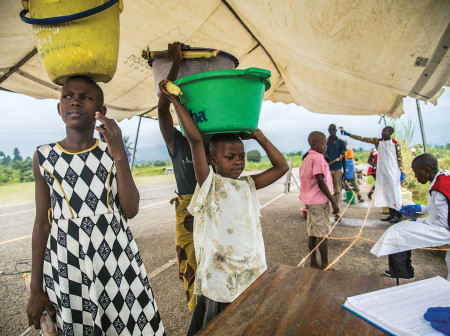
Last summer international aid workers began descending from Soviet-era helicopters into the forests, mountains and villages in the Democratic Republic of Congo’s North Kivu region, setting up treatment centers and laboratories, and donning hazmat suits as they treated people sick with the Ebola virus. The workers brought computers, lab equipment, vaccine doses and anything else that supported epidemiology, data and patient management, and infection prevention and control.
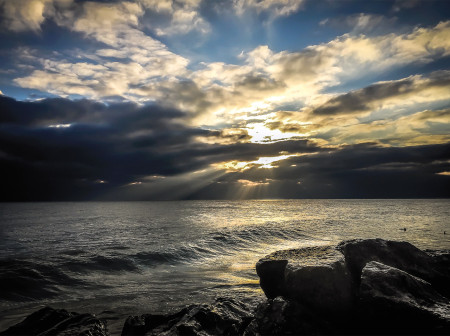
Lake Michigan, the immense body of fresh water whose shimmering beauty convinced Northwestern’s founders that this was the place to build the University, has been under threat since the early 20th century. Northwestern researchers, students and alumni are discovering solutions for water quality issues and climate change challenges in the Great Lakes region.
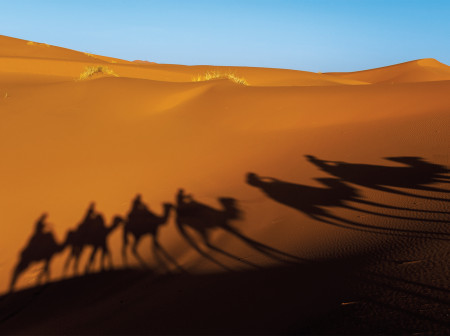
One of the greatest caravans to ever cross the Sahara was led by Mansa Musa, the legendary ruler of the vast West African empire of Mali. In 1324 Musa embarked on a hajj, a religious pilgrimage to Mecca, traveling with an entourage that included 8,000 courtiers, 12,000 servants and 100 camel loads of pure gold.

Crossing the Sahara Desert from the 8th to the 16th centuries, caravans with hundreds of camels carried gold, textiles, jewelry and other goods across the desert. To share this little-known story, the Block Museum of Art has put together Caravans of Gold, Fragments in Time — a first-of-its-kind show that celebrates West Africa’s historic and under-recognized global significance and showcases the objects and ideas that were exchanged at the crossroads of Africa, Europe, the Middle East and Asia.
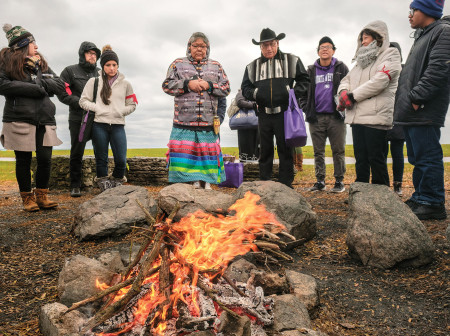
Members of the Chicago-area Native American community and representatives of Sand Creek Massacre descendants gathered on campus to share reflections at a bonfire and a panel discussion.
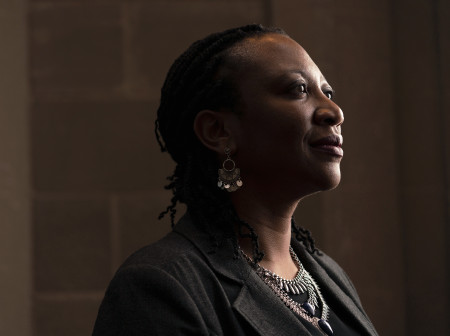
Five floors up from the cacophony that is Chicago’s West Loop, inside a stone-still hearing room at the U.S. Department of Justice’s Chicago Immigration Court, where the ratcheted-up nerves and quickened breaths make for the sort of place you do not want to be, Uzoamaka Emeka Nzelibe ’96 is there to get the job done.
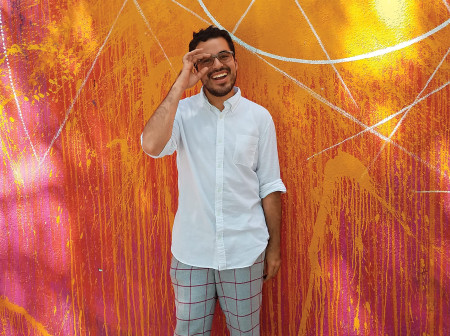
Stylish students fashion their unique looks with everything from thrift store treasures to mom and dad hand-me-downs. For some, getting dressed is like painting a picture.
Anthony Gaines celebrates an emphatic dunk during the Wildcats’ exhibition opener in the debut of the new Welsh-Ryan Arena. The Northwestern facility received $110 million in upgrades.

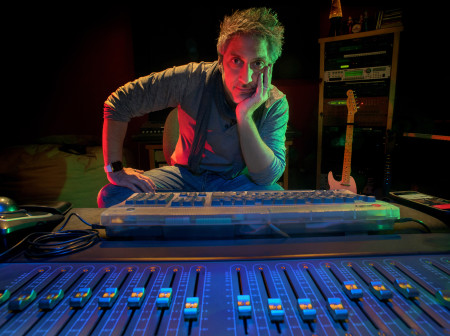
Record producer-songwriter-mixer Thom Russo knows talent when he hears it. Last spring his manager sent him two songs recorded by a 20-year-old student who’s attending the Brit School, a free performing arts and technology academy in south London.