
Health Equality Is Next LGBTQ Priority
Now, perhaps more than ever, it is critical that we continue the LGBTQ movement’s fight for recognition and representation. The health of our community depends on it.
Check out these related stories...
Now, perhaps more than ever, it is critical that we continue the LGBTQ movement’s fight for recognition and representation. The health of our community depends on it.

The Simpson Querrey Brain Health Institute (SQ-Brain), a new initiative at Northwestern, envisions a future where brain health can be continuously monitored, measured and modified across a person’s lifespan. The institute brings together physicians, scientists and engineers at the intersection of their fields to facilitate cross-boundary discoveries that address fundamental questions hindering brain health research.
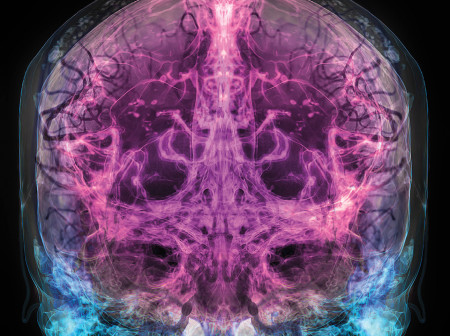
Northwestern’s SuperAging Program studies the brains of older individuals with exceptional memories in order to better understand the science behind memory, aging and dementias such as Alzheimer’s disease.

Reader Responses
No one has commented on this page yet.
Submit a Response