News
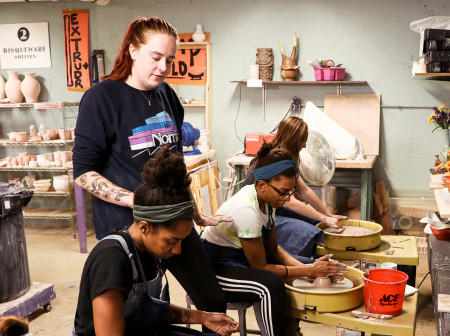
Now in its 50th year, the Norris Mini Courses program offers noncredit courses such as sewing, photography, and American Sign Language. These fun courses are open to both Northwestern students and the general public alike.
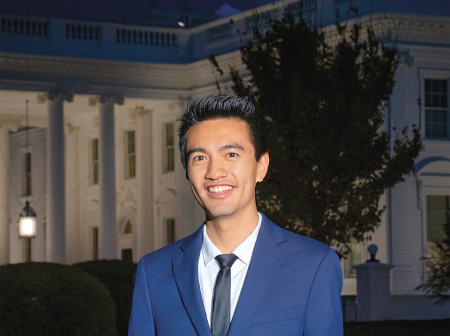
Looking for a place to pitch a story about Asian American and Pacific Islander (AAPI) voters in December 2020, journalism student Dan Hu discovered The Yappie, a digital news publication focused on activism and policies affecting the AAPI community. Soon after that initial pitch, Hu joined The Yappie as a writer and is now its executive director.
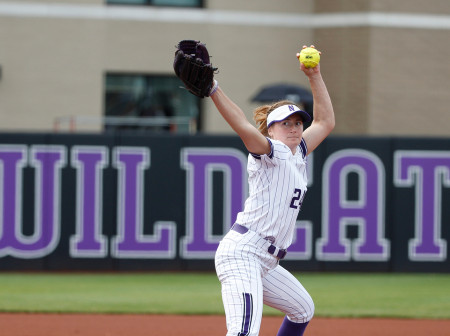
Softball stars Danielle Williams, Jordyn Rudd, Skyler Shellmyer, Maeve Nelson and Nikki Cuchran return to lead Wildcats’ bid for another trip to the Women’s College World Series.
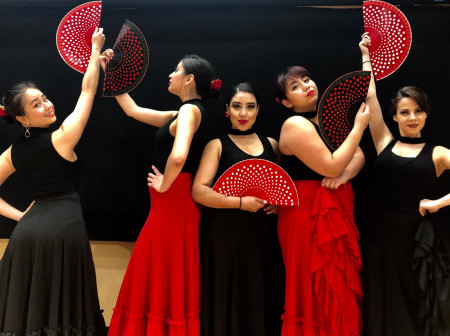
Northwestern students find their groove by embracing regional moves from across the globe.
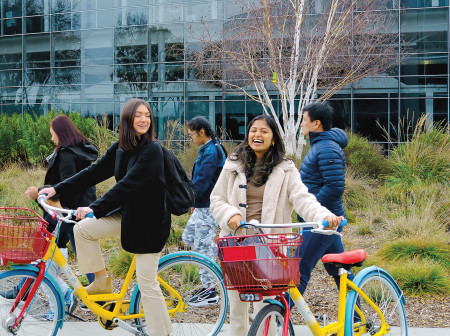
Undergraduate students participated in the first Farley Bay Area Quarter, a new program offered by Northwestern’s Farley Center for Entrepreneurship and Innovation that provides classes in tech ethics, product management and venture fundraising, as well as an experiential seminar that includes externships at a range of tech companies.
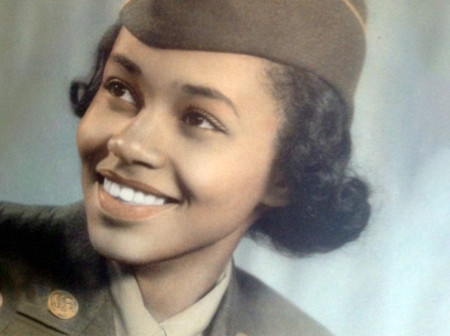
Margaret Glenn Sales Semmes, who studied music at Northwestern in the 1940s, was one of 856 women who served in the Women’s Army Corps’ 6888th Central Postal Directory Battalion, also known as the Six Triple Eight, the only American Army unit comprising all women of color during World War II. They faced a mammoth task: sorting through a multiyear backlog of mail that had yet to be delivered to American soldiers, government personnel and Red Cross workers serving abroad.
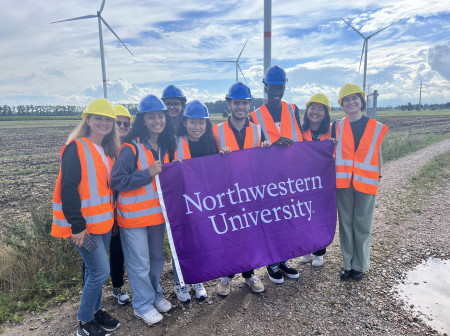
Classroom trips brought Northwestern students around the globe to conduct research on the history of midwivery in England, investigate reports of a power plant sickening residents in Panama, study how Israel is becoming a worldwide leader in water management, and more.
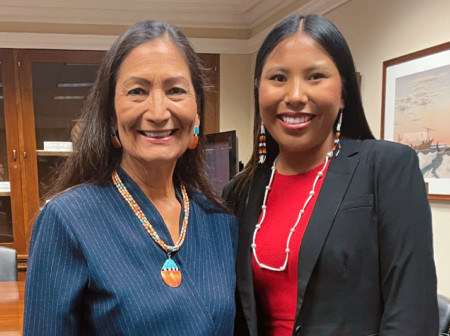
Isabella Twocrow interned for 10 weeks with the Bureau of Indian Affairs, working alongside some of the most important decision-makers when it comes to Native American life, including Secretary of the Interior Deb Haaland. “They’re the people protecting tribal sovereignty through policymaking,” says Twocrow, who is Oglala Lakota and a member of the Ho-Chunk Nation and co-chair of Northwestern’s Native American and Indigenous Student Alliance.
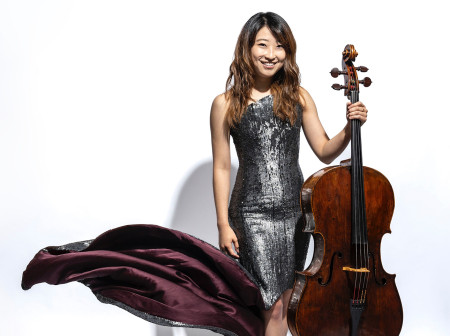
At age 8, Sydney Lee ’22 MMus was accepted into The Juilliard School’s pre-college program, and at 13 she made her orchestral debut with the Pittsburgh Symphony Orchestra. Now, the award-winning cellist performs around the world, dazzling audiences with her heartfelt, classical music.
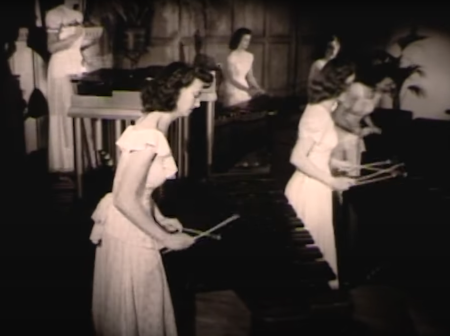
In the early 1940s, Northwestern became the first American university to offer a major and master’s degree in marimba. Under the tutelage of renowned marimba virtuoso Clair Omar Musser, several student marimba groups formed at Northwestern, including the Marimba Coeds (also called the Marimba Madcaps), an all-women orchestra.