News
From mask-making to protecting children, Northwestern students and alumni around the world worked in support of causes like education, violence prevention and safety during COVID-19.
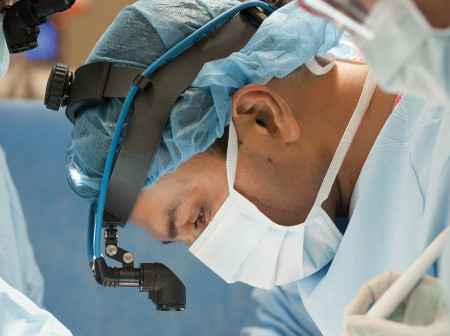
Northwestern Medicine surgeons perform double-lung transplants, giving new life to eight COVID-19 survivors.
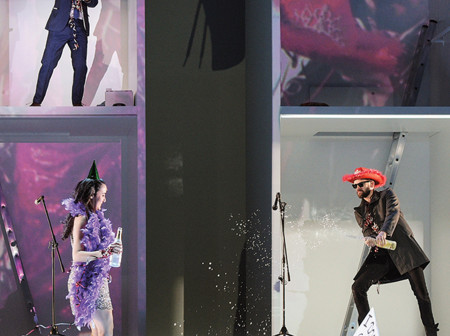
When student performance groups returned to campus in the fall, social distancing and crowd safety guidelines forced them to adjust their art to a new, virtual reality.
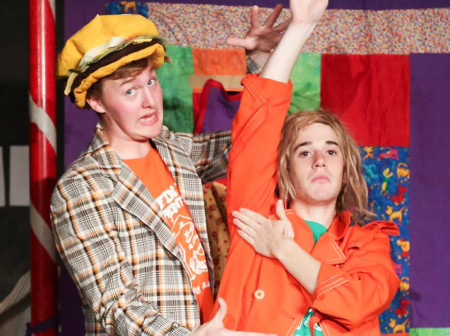
The student-run Griffin’s Tale theater group canceled its performances last spring due to the COVID-19 pandemic. Now the group is ready to go virtual, adapting stories written by children into skits and creating a video that schools can stream.
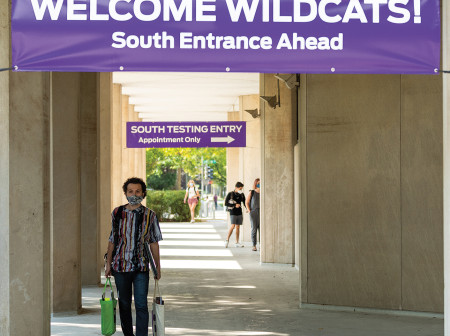
This past September, more than 1,900 first-year students began their journeys as members of Northwestern’s Class of 2024, together with more than 190 transfer students. Coming from 60 countries and speaking more than 60 languages, these new students bring extraordinary qualities, talents and accolades to Northwestern.
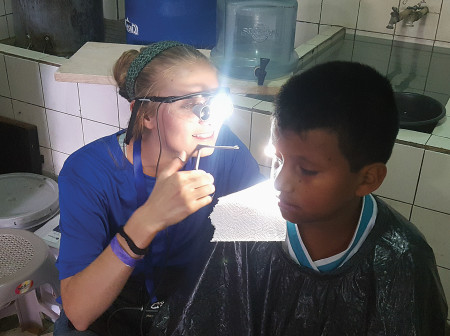
Last August, Northwestern audiology graduate students made the trek to Nuevo Progreso in western Guatemala to provide comprehensive care for the local residents. Over the course of four more-than-12-hour days, eight students worked alongside four professional audiologists to perform diagnostic testing and hearing-aid fittings.
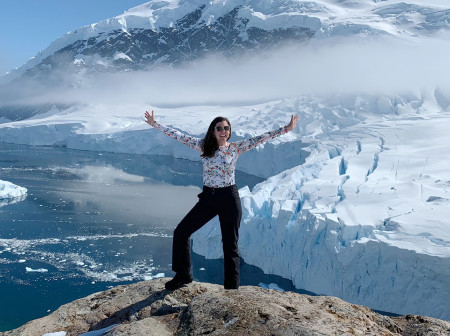
Northwestern students and professors explore environmental issues around the world. They worked with the Nature Conservancy in the Magdalena River Basin in Colombia, the World Wildlife Fund in Thailand and Homeward Bound in Antarctica.
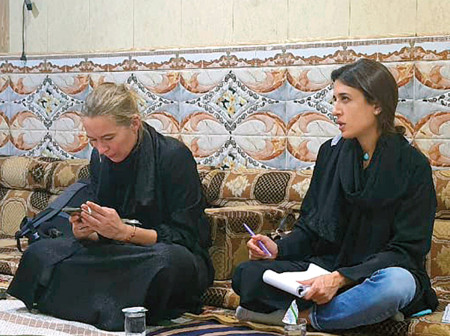
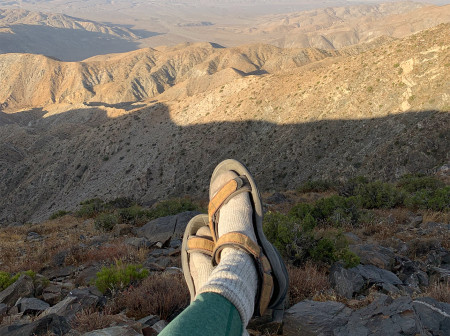
Earth and planetary sciences graduate students Leah Salditch and Molly Gallahue spent a week in September hunting down earthquake anecdotes on California excursion. The memories they gathered will help inform state hazard maps of quake-vulnerable areas.
Northwestern students, alumni and professors share insights into their research and performance around the world.
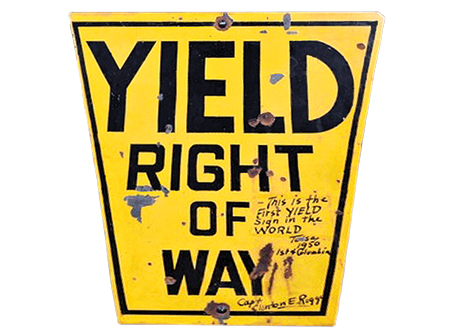
Oklahoma highway patrolman Clinton Riggs was a student at the Northwestern Traffic Institute, now the Center for Public Safety, in 1939 when he created the yield sign as a class assignment. His goal was to improve public safety and determine liability in an accident.